
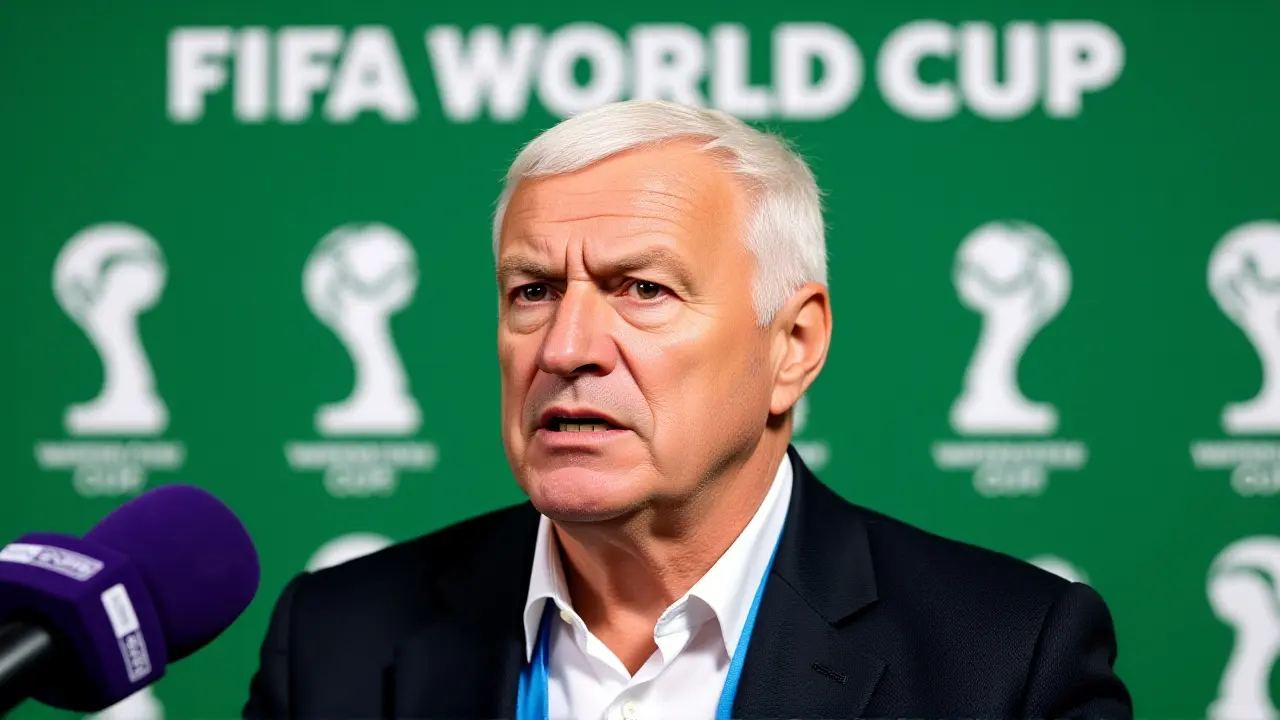
The long wait for an exit strategy is finally over. Didier Deschamps, Head Coach of the French National Team, has confirmed he will step down when his contract expires in June 2026. This isn't just a standard contract ending; it marks the definitive close of the most successful era in France football history.
Announced on French television recently, the decision puts a hard stop on what has been a relentless sixteen-year commitment. The French Football Federation officially backed this move in January 2025, confirming there would be no renewal talks pending the results of the upcoming qualification campaign. Essentially, whether Les Bleus make it to the finals in North America or fall short during qualifiers, Deschamps is hanging up the whistle permanently.
An Era of Unmatched Stability
In a sport defined by turnover, consistency is rare. Deschamps took the reins in the summer of 2012, replacing Laurent Blanc, and hasn't looked back since. He has managed 165 matches, securing a win rate of 64.2%—a statistic that separates him from the pack in international management. To put that in perspective, very few managers anywhere near the top level maintain that sort of output across four different major tournaments.
He's currently the third-longest-serving manager in international football, trailing only Andorra's Colao Alvarez and Luxembourg's Luke Holtz. But those comparisons lack the trophy cabinet weight that Deschamps brings to the table. His tenure includes winning the 2018 World Cup, the 2021 Nations League, and reaching the final of the 2022 World Cup in Qatar. That kind of sustained success requires not just tactical skill, but the ability to navigate the intense pressure cooker that is representing a nation like France.
The Succession Question Looms Large
Naturally, the conversation isn't just about the departure; it's about who walks through the door after. Multiple sources point toward Zinedine Zidane as the heavy favorite to take the job. At 52, Zidane is no stranger to high-pressure environments. He spent three seasons at Real Madrid, guiding them to three consecutive Champions League titles—a feat often considered the pinnacle of club management.
Christophe Dugarry, another former France teammate who knows the locker room dynamics intimately, has publicly expressed hope for Zidane's appointment. "They grew up together, they played together," Dugarry noted. There's chemistry there, for sure. But Zidane is a free agent right now, and while he owns the credentials, nothing is signed on paper yet. The federation will likely need a smooth handover to ensure momentum isn't lost before the 2026 cycle begins in earnest.
A Historic Dual Achievement
You have to respect the resume. Deschamps wasn't just managing these teams; he built the foundation having captained the squad that lifted the trophy in 1998. He joins an exclusive club: only Franz Beckenbauer and Mario Zagallo have achieved the double of winning the World Cup as both player and manager.
This adds weight to his statement on French TV. When he said, "2026 is a very good time to stop," it felt less like a career adjustment and more like closing a chapter he's held open for two decades. It reflects a maturity common among great athletes—the ability to recognize when the passion shifts from fighting to maintaining stability. He mentioned needing to say stop because there is a life after this, something many coaches struggle to articulate until they're forced out.
Looking Toward 2026 and Beyond
The immediate path remains focused on the road to the United States, Canada, and Mexico for the 2026 tournament. France will need to determine their qualifying group position after finishing the current Nations League competition. A crucial quarterfinal match against Croatia is scheduled for March 2026, which serves as a pivotal test of squad depth.
Deschamps extended his deal in January 2023 specifically to cover this window, ensuring he wouldn't be distracted mid-campaign. Now that the endpoint is known, players know their runway. For the fans, watching one last campaign under the man who defined their generation feels like a farewell tour rather than just another qualifying block. The timing ensures continuity until the ball stops rolling in 2026, regardless of the outcome.
Frequently Asked Questions
When exactly will Deschamps leave his role?
His contract expires in June 2026. He will depart immediately after the 2026 World Cup tournament concludes in the USA, Canada, and Mexico if France qualifies, or at the end of the qualification campaign if they fail to reach the finals.
Is Zinedine Zidane officially confirmed as the replacement?
Not yet. While sources heavily favor Zidane due to his previous team connection and managerial success, the French Football Federation has not officially announced an appointment. Discussions regarding the succession are expected to heat up in late 2025.
What are Deschamps' main achievements as manager?
He won the 2018 FIFA World Cup and the 2021 UEFA Nations League. Additionally, he led France to the final of the 2022 World Cup and reached the semifinals of both the 2016 and 2024 European Championships, maintaining a 64.2% win percentage.
Why is this considered the end of an era?
Deschamps represents unparalleled stability in French football, holding the record for most matches managed since taking over in 2012. Winning major trophies across multiple generations of players sets a precedent that may be difficult for any successor to replicate immediately.
Gary Clement
March 28, 2026 AT 20:15it really shows how hard it is to find someone willing to commit like this in modern football. stability is the key factor here for any nation wanting to win big tournaments consistently. deschamps managed through generations without panic when the players were resting or injured during the season cycle. his record speaks volumes about his ability to keep high expectations manageable for everyone involved in the process. many coaches leave because the pressure becomes too much to handle on a personal level eventually. he knew exactly when to step away while still standing tall over the achievements he made together. this decision protects his reputation rather than waiting until performance drops off noticeably later. players respect leaders who know their own limits better than anyone else watching them closely. the timeline gives clarity to the federation regarding recruitment and planning for the next phase soon. we should recognize that leaving is actually a form of leadership in its own distinct right way. sometimes holding on tighter creates friction that isnt needed for the group dynamic anymore. his legacy will remain untouched because he chose to exit at the peak moment correctly. future managers will have a blueprint to study regarding longevity and tactical adaptation over years. it is impressive how few people achieve this level of sustained success in international management roles today. we hope the transition remains smooth regardless of who takes the job officially next season forward.
nikolai kingsley
March 29, 2026 AT 17:09he shouldve left before now since the moral obligation to youths is clear.
Mason Interactive
March 30, 2026 AT 08:32culture shifts a lot when you get someone willing to stay for sixteen years straight without changing styles too much
Aaron X
March 31, 2026 AT 16:14the paradigm shift required for succession involves understanding the institutional memory embedded within the squad dynamics
Antony Bachtiar
April 1, 2026 AT 14:18thats just wishfull thinking cause Zidane never coached internationally so he would fail badly against top sides
Alex Green international
April 1, 2026 AT 20:50while your perspective holds some validity we must consider that club experience translates well to national duties often
Dianna Knight
April 2, 2026 AT 15:34im rooting for him to enjoy life more after such a huge career with so much love and respect :)
Beth Elwood
April 4, 2026 AT 09:08exactly and the stats back up why he deserves that rest now 😊⚽️
Josh Raine
April 5, 2026 AT 11:53people act like he died but hes just retiring so they need to chill out about sports drama :D
Shelley Brinkley
April 6, 2026 AT 23:02ur acting delusional and ignoring the obvious flaws in his last two tournament campaigns
Angie Khupe
April 7, 2026 AT 08:13lets just agree that every coach struggles sometimes and appreciate the good times instead of fighting :)
Mel Alm
April 8, 2026 AT 13:25i hope the next guy treates the players nicer then Didier did overall speaking