
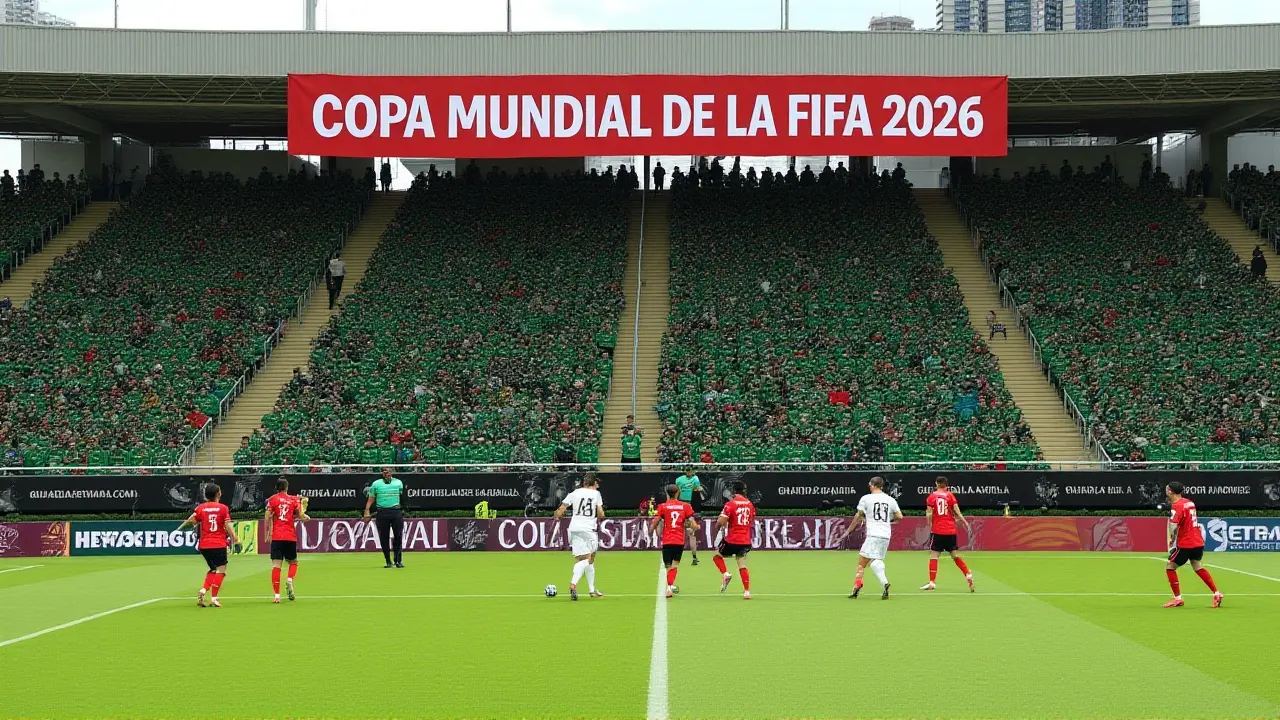
When FIFA released its official attendance figure for the South Korea vs. Czech Republic match on Thursday, June 11, 2026, it claimed a crowd of 44,985. But if you watched the broadcast from Guadalajara, Mexico, those numbers didn’t look right. Swathes of empty seats stared back from the stands, sparking immediate skepticism and renewing debates about whether the expanded tournament is living up to its hype.
The discrepancy between the official count and the visual reality has become the defining narrative of this early stage of the 2026 FIFA World CupGuadalajara. It’s not just a glitch in the matrix; it’s a symptom of deeper issues regarding ticket affordability and fan engagement in a tournament that now spans three countries and features 48 teams instead of 32.
The "Concourse" Explanation
Here’s the thing: FIFA wasn’t caught off guard. The governing body quickly issued a statement clarifying how they calculate attendance. According to Reuters, FIFA stated that “official attendance figures reflect the number of tickets scanned and spectators present within the stadium footprint rather than visual assessments of seating occupancy at any given moment during the match.”
In plain English? If your ticket was scanned, you count. Even if you’re standing in line for a beer, using the restroom, or wandering the concourses instead of sitting in your assigned seat. FIFA argues that modern fans don’t stay glued to their seats for 90 minutes like generations past. They move around. They socialize. And yes, they leave gaps in the stands that look alarming on television cameras fixed on the pitch.
But does that fully explain thousands of visible vacancies? Critics say no. The explanation feels like a semantic sleight of hand designed to protect the brand image of a sold-out tournament. While some movement is normal, the scale of emptiness observed in Guadalajara suggests more than just thirsty fans.
A Pattern Across Host Cities
This isn’t an isolated incident in Mexico. Similar scenes played out in Toronto, Canada earlier in the tournament. During Canada’s debut match against Bosnia & Herzegovina at BMO Field, Sports Illustrated reported that over 1,000 of the venue’s 44,315 seats remained completely unsold.
The contrast is stark. A national team playing at home, in a city eager for football attention, yet still failing to fill the bowl. The outlet described the ticket prices as “exorbitant,” noting that these high costs are having “negative ramifications” for FIFA’s reputation. When you combine the Toronto data with the Guadalajara visuals, a pattern emerges: demand is not keeping pace with supply, largely due to pricing strategies that alienate casual fans.

The Price of Expansion
The 2026 World Cup represents a massive logistical and commercial experiment. By expanding from 32 to 48 teams, FIFA aimed to increase global reach and revenue. But expansion also dilutes the exclusivity of each match. With more games spread across more cities, the urgency to buy tickets diminishes for many supporters.
Turns out, when you flood the market with inventory, you can’t always charge premium prices without seeing pushback. The Independent noted that the empty seats in Guadalajara “renewed concerns over ticket pricing and demand.” Fans are voting with their wallets—or simply choosing not to show up if the price tag doesn’t justify the experience.
It’s a delicate balance. FIFA needs record revenues to fund its operations and development programs, but it also needs passionate crowds to create the atmosphere that makes the World Cup unique. Right now, the scales seem tipped too far toward profit, leaving stadiums feeling hollow despite impressive headline attendance figures.

What This Means for the Tournament
So, what’s next? Unless FIFA adjusts its strategy, expect this conversation to dominate headlines throughout June and July. The organization has so far focused on defending its methodology rather than addressing the root cause: affordability. No policy changes have been announced, and no discounts offered to latecomers.
For local businesses in host cities, empty seats mean fewer customers buying food, merchandise, and transport services. For fans, it means a less electric atmosphere. And for FIFA, it’s a reputational risk that could linger long after the final whistle blows in December.
The details are still unfolding, but one thing is clear: the illusion of universal sell-outs is cracking. As the tournament progresses, the pressure will mount on FIFA to prove that the expanded format is working—not just on paper, but in the stands.
Frequently Asked Questions
Why did FIFA release a statement about attendance?
FIFA issued the statement to address media reports and public confusion regarding visible empty seats at matches in Guadalajara and Toronto. They clarified that their official counts include all scanned tickets and people within the stadium grounds, not just those seated in the stands at a specific moment.
Are ticket prices really too high for the 2026 World Cup?
Reports from outlets like Sports Illustrated describe prices as “exorbitant,” linking them to unsold seats in Toronto and sparse crowds in Guadalajara. While exact prices vary by match and tier, critics argue that the cost is deterring casual fans and reducing overall demand compared to previous tournaments.
How does the 48-team format affect attendance?
The expansion to 48 teams increases the total number of matches, which can dilute interest in individual group-stage games. With more venues and dates available, the perceived exclusivity drops, making fans more selective about which games they attend based on price and team relevance.
Is the empty seat issue limited to Mexico?
No, similar issues have been reported in Canada. At BMO Field in Toronto, over 1,000 seats were left unsold for Canada’s opening match against Bosnia & Herzegovina. This suggests that pricing and demand challenges are systemic across multiple host nations, not isolated to one location.
Will FIFA change its ticketing policy?
As of now, FIFA has not announced any changes to ticket pricing or distribution policies. Their current response focuses on explaining attendance calculation methods. However, continued criticism may force adjustments in later stages of the tournament to maintain fan engagement and revenue goals.